Free delivery on orders above KSh 5,000 · Discreet packaging · Cash on delivery

Adaptive Picks

Categories

Partners

Need help choosing?

WhatsApp us +254 792 459 303
Mobility & Equipment

Fall Prevention at Home: 12 Safety Tips for Elderly Relatives

Adaptive Picks Care Team
· 4 min read
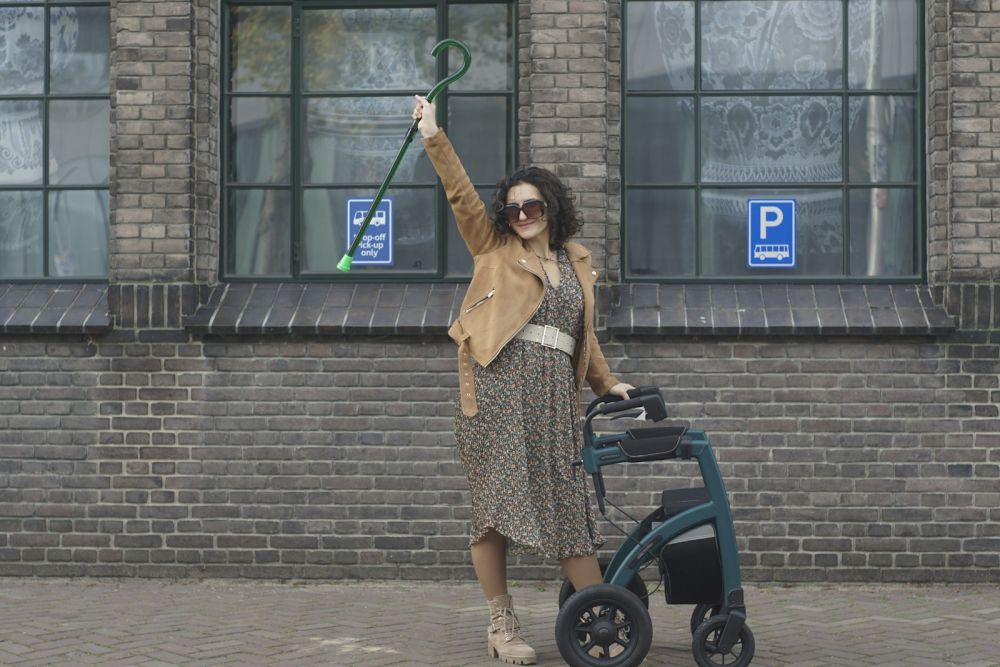
Woman walking confidently with a rollator walker

Falls are one of the most common causes of injury among older adults, and most of them happen at home — often at night on the way to the toilet. Fall prevention for elderly relatives is about small, practical changes that protect independence and confidence.

Key takeaways

  • Most falls happen at home, often at night on the way to the toilet.
  • Good lighting, grab bars and non-slip mats prevent many falls.
  • Strength and balance exercises reduce fall risk.
  • Reliable night-time protection reduces risky toilet rushes in the dark.

Why the elderly are more likely to fall

  • Weaker muscles and slower reflexes
  • Poor eyesight or lighting
  • Medications that cause dizziness
  • Rushing to the toilet because of urgency
  • Slippery floors, loose mats and clutter

12 fall prevention tips

Around the home

  1. Clear walkways of cables, shoes and clutter.
  2. Remove or secure loose rugs with non-slip backing.
  3. Improve lighting, especially between the bedroom and bathroom. Motion-sensor night lights are ideal.
  4. Keep frequently used items at waist height to avoid climbing and bending.
  5. In the bathroom

    1. Install grab bars beside the toilet and shower.
    2. Use non-slip mats inside and outside the shower.
    3. Use a shower chair so bathing can be done seated.
    4. Consider a raised toilet seat for easier sitting and standing.

    Personal habits

    1. Wear well-fitting shoes with non-slip soles — never walk in socks on smooth floors.
    2. Use mobility aids such as walking sticks, walkers or wheelchairs when recommended. Browse our mobility range.
    3. Stay active with gentle exercise to maintain strength and balance.
    4. Reduce night-time toilet rushes. Wearing reliable night-time protection such as TENA Pants or Adfit pull-ups means there is no need to hurry in the dark — one of the most effective ways to prevent night falls.

    Check medications and eyesight

    Ask a doctor or pharmacist to review medicines that cause drowsiness or low blood pressure, and have eyes tested every year.

    What to do after a fall

    • Stay calm and check for injuries before trying to get up.
    • If unhurt, roll onto the side, get onto hands and knees and use a sturdy chair to rise slowly.
    • Seek medical attention for any pain, head injury or if the person cannot get up.
    • Report every fall to a doctor — it can signal an underlying health problem.

    A room-by-room safety checklist

    Bedroom

    • Bed at a height where feet rest flat on the floor when sitting.
    • Light switch or lamp reachable from the bed.
    • A bedside commode for people who struggle to walk at night.

    Living areas

    • Chairs with armrests to help with standing up.
    • No low tables or clutter on walking routes.
    • Cables tucked away along the walls.

    Outside

    • Even paths without loose stones.
    • Handrails on steps, with the edges of each step clearly visible.
    • Extra care on wet or muddy ground during the rainy season.

    Simple exercises for strength and balance

    Regular, gentle exercise is one of the most effective ways to prevent falls. With a sturdy chair or kitchen counter for support, try:

    1. Sit-to-stand: stand up from a chair and sit down slowly, 5–10 times.
    2. Heel raises: rise onto the toes and lower slowly, 10 times.
    3. Side leg raises: lift one leg out to the side and back, 10 times each side.
    4. Heel-to-toe walking: walk along a counter placing one foot directly in front of the other.

    Always check with a doctor or physiotherapist before starting a new exercise programme.

    Choosing the right mobility aid

    Walking sticks help with mild balance problems; walking frames provide more support; wheelchairs are best for longer distances or when walking is unsafe. A physiotherapist can recommend the right aid and set it to the correct height — an aid that is too short or too tall can actually increase the risk of falling.

    Frequently asked questions

    What is the most common place for elderly falls?

    The bathroom and the route between the bed and the toilet, particularly at night.

    Do incontinence products really help prevent falls?

    Yes. Reducing urgency and night-time trips to the toilet lowers the risk of rushing and falling in the dark.

Keep reading

Related articles

All articles
Fast deliverySame-day in Nairobi & Kiambu
Discreet packagingPlain, unbranded parcels
Pay on deliveryCash or M-Pesa
100% genuineTrusted global brands

Your cart 0

Subtotal
Delivery
Total
Checkout securely View full cart